
About 75% of participant organizations in a recent study by SEMCOG for the Smart Cities and Community Fleet Collaborative (SC2FC) project own or lease fleet vehicles.
SC2FC is one of seven employer-led collaborative efforts organized under EV Jobs Academy with the vision of preparing communities for opportunities in fleet electrification and required charging infrastructure.
The purpose of this study is to better understand communities’ interest, challenges, needs, and priorities related to community fleet electrification and required charging infrastructure.
The study results reveal current perceptions, novel opportunities, and consistent interest in funding availability: both for purchase and lease of EV fleets and the EV fleet charging infrastructure.
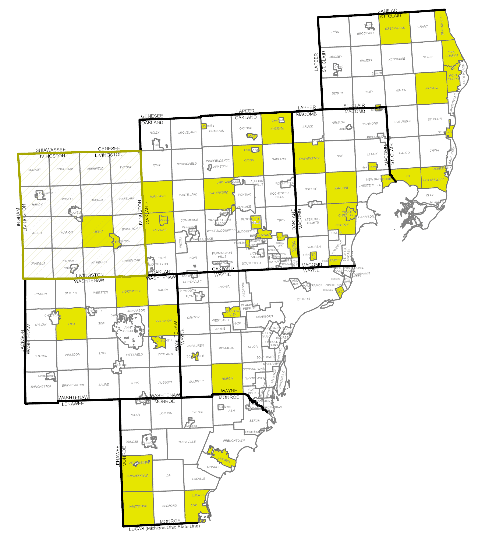

More than 30% of SEMCOG member communities, counties, intermediate school districts (ISDs), and community colleges participated in the SC2FC Community Fleet Study in November/December 2022.
The results of the study show that most participant organizations recognize the long-term environmental and economic benefits of community fleet electrification. About 27% indicated that they are starting the transition over the next five years. As each local government continues to balance its own unique set of priorities, SC2FC’s education and outreach efforts provide resources for communities considering EVs.
Community Fleet Electrification Policy
Adopting fleet electrification policies is one of the key elements in the transition process. Most municipalities (villages/cities/townships) do not currently have a policy or policies to help guide electrification of their fleet. Local examples of Clean Fleet Policies include City of Ferndale, MI – Fleet Management Policy and City of Ann Arbor, MI – Clean Fleet Policy.
Community Fleet Electrification Funding
Among municipalities participating in the study, the majority identified high upfront cost and lack of access to charging infrastructure for fleet as the top barriers to community fleet electrification. This highlights the importance of adoption of EV affordability strategies by original equipment manufacturers (OEMs) and the State, as well as promoting available federal, state, and regional funding resources for communities, including:
Federal funding


- FY 24-26 Carbon Reduction Program
- Energy Efficiency and Conservation Block Grant Program (EECBG)
- FY 22-26 EPA Clean School Bus Program
- FTA Grants for Buses and Bus Facilities Program and Low or No Emission Vehicle Program – 5339(c)
- Federal Tax Credit and Clean Vehicle Credits and Deductions Under the Inflation Reduction Act of 2022
- The Rural EV Infrastructure Funding Matrix
State funding
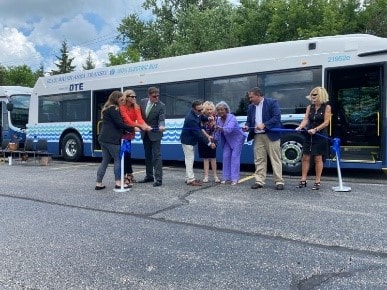
- Michigan Clean Diesel Program
Request For Proposals (RFP) for FY23 are open through March 31, 2023 - Fuel Transformation Program
- Michigan Mobility Funding Platform
Additional funding opportunities
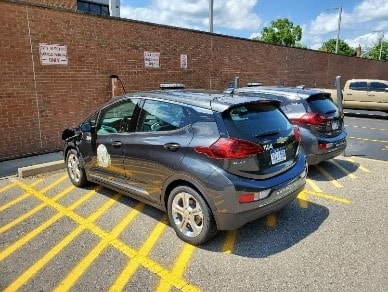
Community Fleet Electrification Staff Training, Vehicle Performance, and Availability
One of the SC2FC objectives is to ensure equitable access to jobs and training to install and maintain EVs and EV infrastructure. This is accomplished by promoting jobs and training opportunities, such as the Electric Vehicle Infrastructure Training Program (EVITP), to all communities. Lack of skilled maintenance and repair staff was identified as the second-highest barrier to fleet electrification. Communities are concerned about affordability and accessibility of EV-related job trainings.
Additionally, municipalities indicated concern about the Electric Vehicle (EV) features and performance. The limited domestic supply of vehicles that meet organizational operational needs was one of the emerging themes in the comments. Collaborative efforts toward familiarizing and exposing communities to these relatively new technologies such as EV Fleet and EV charging infrastructure can be effective ways to address concerns of this type. Interested communities were also concerned about the availability of EV fleets due to the supply chain issues following the COVID-19 pandemic.
Community Fleet Electrification Technical Assistance
Early-and-often engagement with utility providers is encouraged in a community’s fleet electrification process. The need for more information on the fleet transition process was among the findings of this study. Among municipalities who participated, the majority indicated they have a form of collaboration and coordination with their local utility provider (DTE or Consumers Energy). Southeast Michigan utility providers offer free advisory services such as DTE’s Charging Forward eFleet Program Advisory Services as well as Consumers Energy PowerMIFleet Program Electrification Assessment. A few organizations are also working with Michigan Clean Cities and OEMs. Michigan Clean Cities Consulting Services offers vehicle replacement, grant seeking, communications, as well as tailored one-on-one fleet analysis.
Worldwide, the EV Fleet transition has begun. The results of SEMCOG’s study highlight the importance of working together to provide technical assistance and address relevant local concerns. SEMCOG is eager to continue working with all stakeholders to provide technical support to Southeast Michigan communities throughout the EV Fleet transition. As the SC2FC continues, we look forward to hosting educational opportunities on emerging technologies and promoting available resources to all communities. Learn more at SEMCOG’s EV Hub, Southeast Michigan’s one-stop destination on Fleet Electrification.
Questions? Contact Beheshteh Makari, Planner, SEMCOG Economic and Community Vitality.
Leave a Reply