
Water is an essential resource in Southeast Michigan, contributing to the quality of our diverse ecosystems, offering an abundance of recreational opportunities, and supporting the health and well-being of residents across the region. As stewards of this important freshwater resource, it’s important that residents of Southeast Michigan have equitable access to high-quality, clean drinking water. Amy O’Leary, SEMCOG’s Executive Director, states that, “Our region has long prided itself on the quality of our water and effective water service delivery to residents. While we have been blessed with an invaluable resource that gives us a real advantage compared to other regions, we must not take it for granted.”
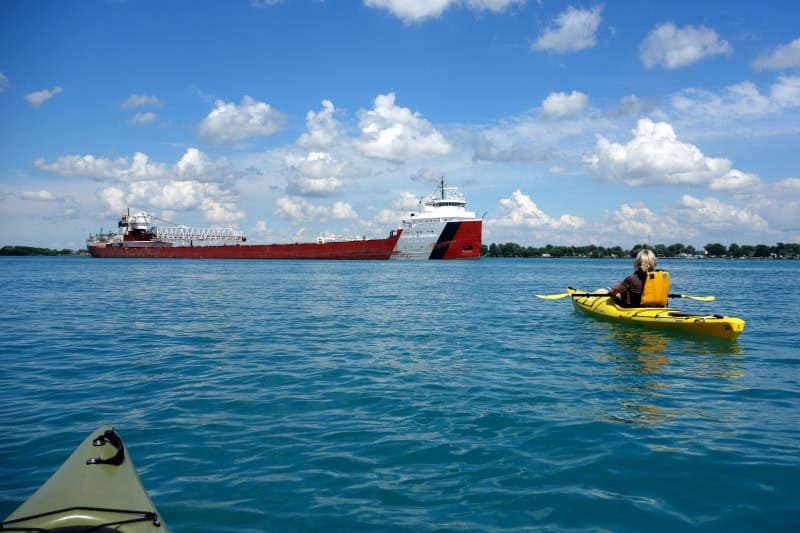
SEMCOG recently celebrated Great Lakes and Fresh Water Week (GLFWW) and Southeast Michigan’s One Water Campaign. This is a time to celebrate Southeast Michigan’s abundant water resources through recreation and stewardship activities. It’s also an opportunity for education, to learn about the interconnectedness of our water systems and the challenges we face in creating a resilient water system. On June 5 2023, SEMCOG hosted “Water: Connected for Life” in collaboration with the Great Lakes Water Authority (GLWA) and the Michigan Department of Environment, Great Lakes, and Energy (EGLE). This webinar focused on topics of water affordability and water workforce development in Southeast Michigan.
Water Affordability
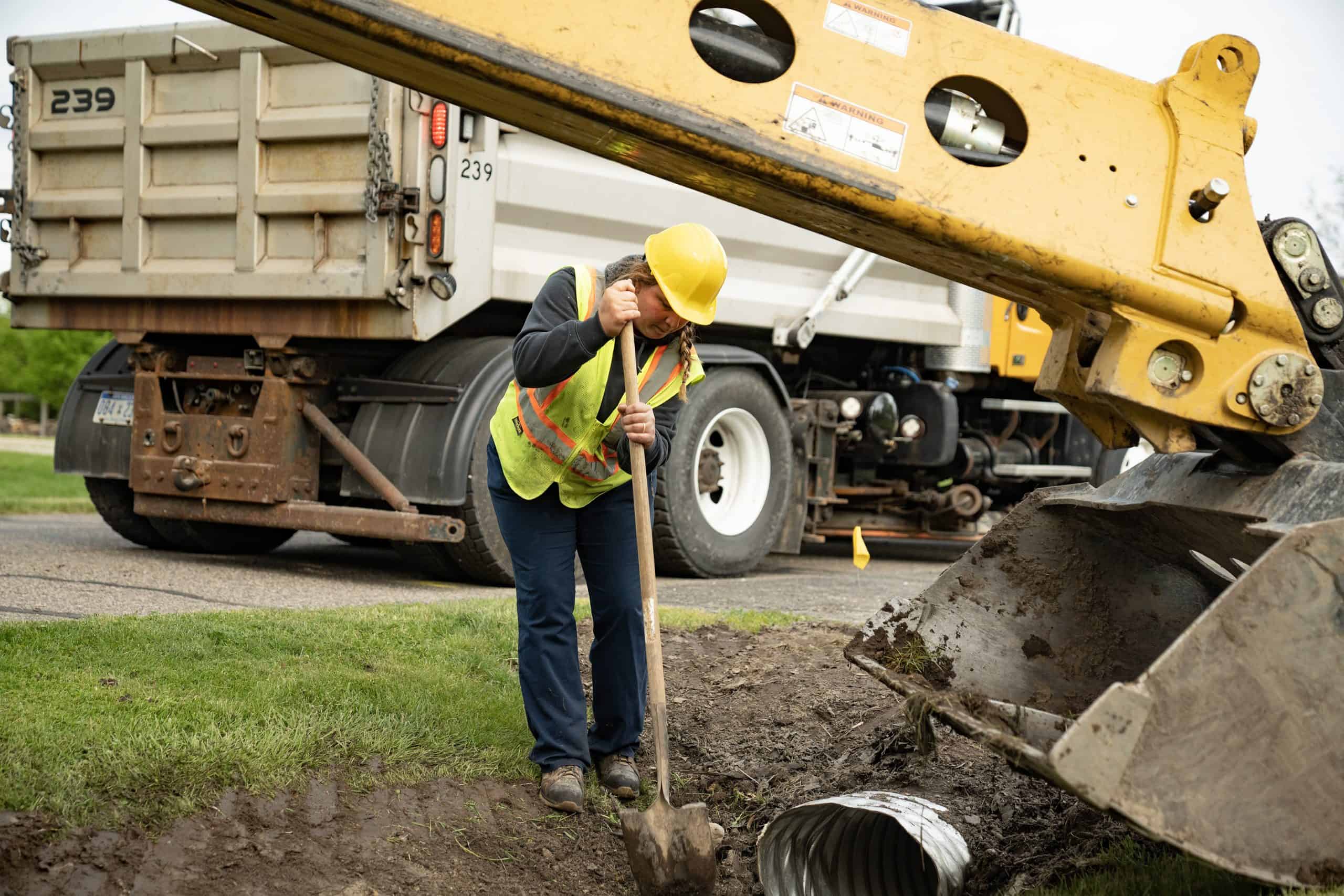
Water utilities face the challenge of balancing investment in water infrastructure systems to ensure safe and reliable services while keeping water rates affordable. Costs are increasing to adequately protect public health and safety. Utilities are dealing with aging infrastructure, stricter regulations, and the long-term consequences of underinvestment. These costs are passed on to ratepayers, making water bills unaffordable across communities in the region.
Nonetheless, equitable access to safe drinking water is fundamental for all Southeast Michigan residents. Water affordability and assistance programs are designed to balance water bills that residents can afford with sufficient funding for utilities to provide safe water services. In Southeast Michigan, there are a variety of programs to provide both short-term and long-term assistance to residents. GLWA’s Water Residential Assistance Program (WRAP) is funded through GLWA’s annual budgeted revenues and is administered by local service delivery partners. The purpose of this program is to aid qualifying low-income households in the GLWA service area through:
- Water and/or sewer bill credits;
- Arrearage or past due balance assistance, and
- Conservation measures/minor plumbing repairs.
Oakland County Water Resources Commission (OCWRC) office was recently awarded an Affordability and Planning Grant by EGLE to accomplish water affordability goals while maintaining water quality and safety standards. The grant deliverables required customized water affordability plans to meet the needs of a larger community, as well as a smaller community. After nearly 15 months of research, OCWRC released its Water Affordability Solutions report with its findings to the public, which includes a scalable water affordability framework designed to assist water systems of all sizes across the state.
The Water Affordability Solution report also introduces the WRC’s Community Water Partnership. The Community Water Partnership is an initiative comprised of a variety of short-term and long-term water assistance programs and policies designed to balance the amount of funding needed to maintain healthy, safe, and reliable water services, at a cost that all customers can afford. Read more about Oakland County’s findings of the collective efforts to develop a sustainable water affordability plan for large and small-scale communities within the county.
All residents of Southeast Michigan must have access to safe drinking water and reliable wastewater services. SEMCOG’s Water Affordability Tip Card, provided to all communities participating in this year’s One Water inititative, can help residents find an affordability program to enroll in, both for short-term and long-term assistance. If you want to take a deeper dive into the regional efforts toward water affordability, visit SEMCOG’s Water Infrastructure Planning Guide.
Water Workforce
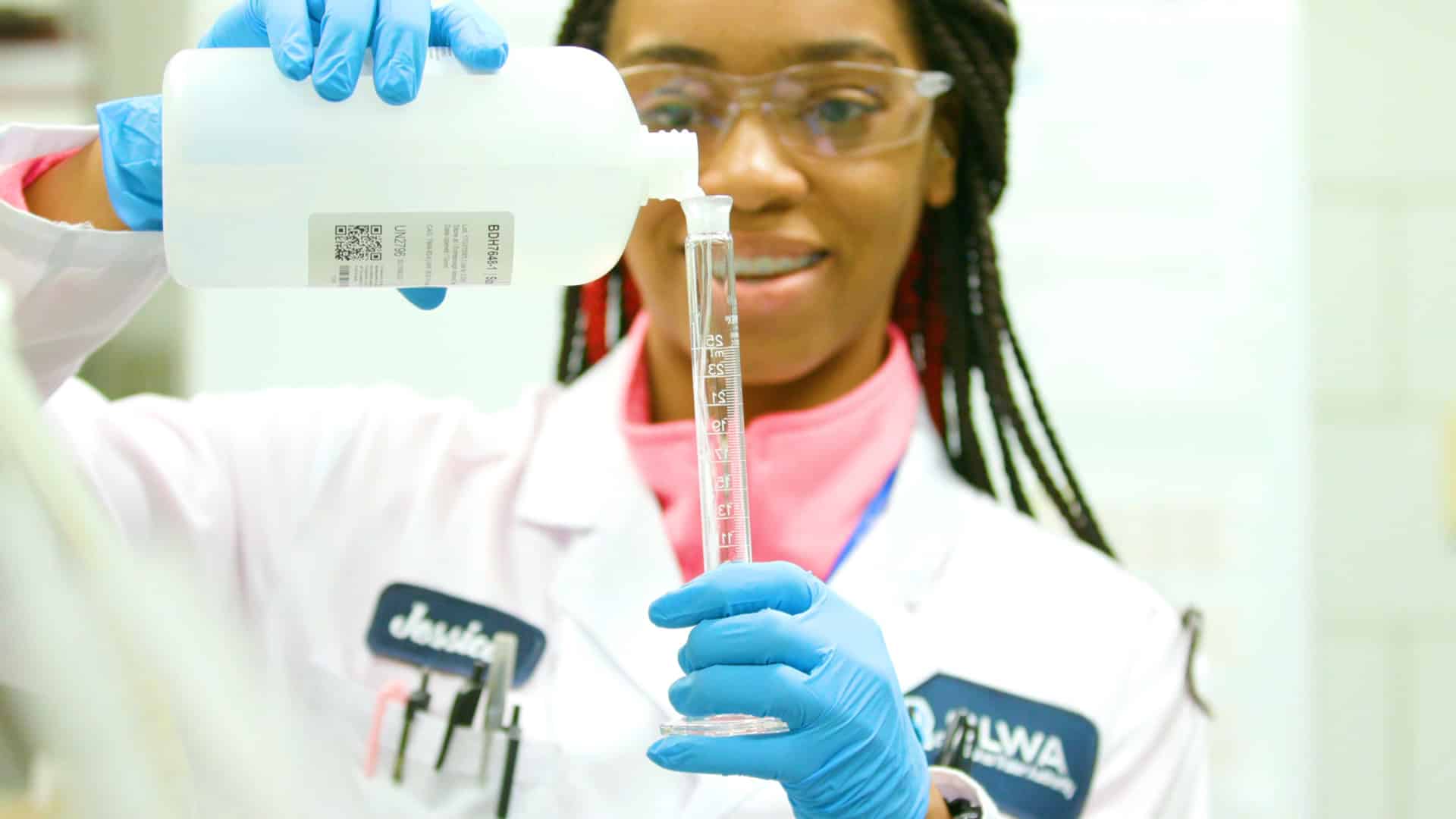
Cities and communities across the country are facing critical staffing shortages for the operation and maintenance of essential water infrastructure. The median age of water employees is 48 years, and 30-50% of these workers will be eligible to retire within the next 5 to 10 years. This indicates that the water industry is about to face a large shortage of workers. It is vitally important that as we reflect on the significance of our water resources, we remember the people who work day-in and day-out to keep our water fresh and flowing. It will be critical for our region to get young people involved in water careers, to have fresh, clean drinking water for future generations. Learn more about Southeast Michigan’s efforts to increase the water workforce, by visiting SEMCOG’s Water Infrastructure Planning Guide.
For this year’s One Water campaign, SEMCOG developed two short videos (below) showing the different faces of the water workforce, in an effort to highlight the variety of careers in the water sector. These videos strive to draw younger people into the water workforce and discuss the positive impact it has on employee lives and their surrounding community. Watch these informative water workforce videos to learn more about the field and its substantial opportunities!
Water Workforce – Helping the Community
Water Workforce – Endless Possibilities
SEMCOG’s GREEN Initiative
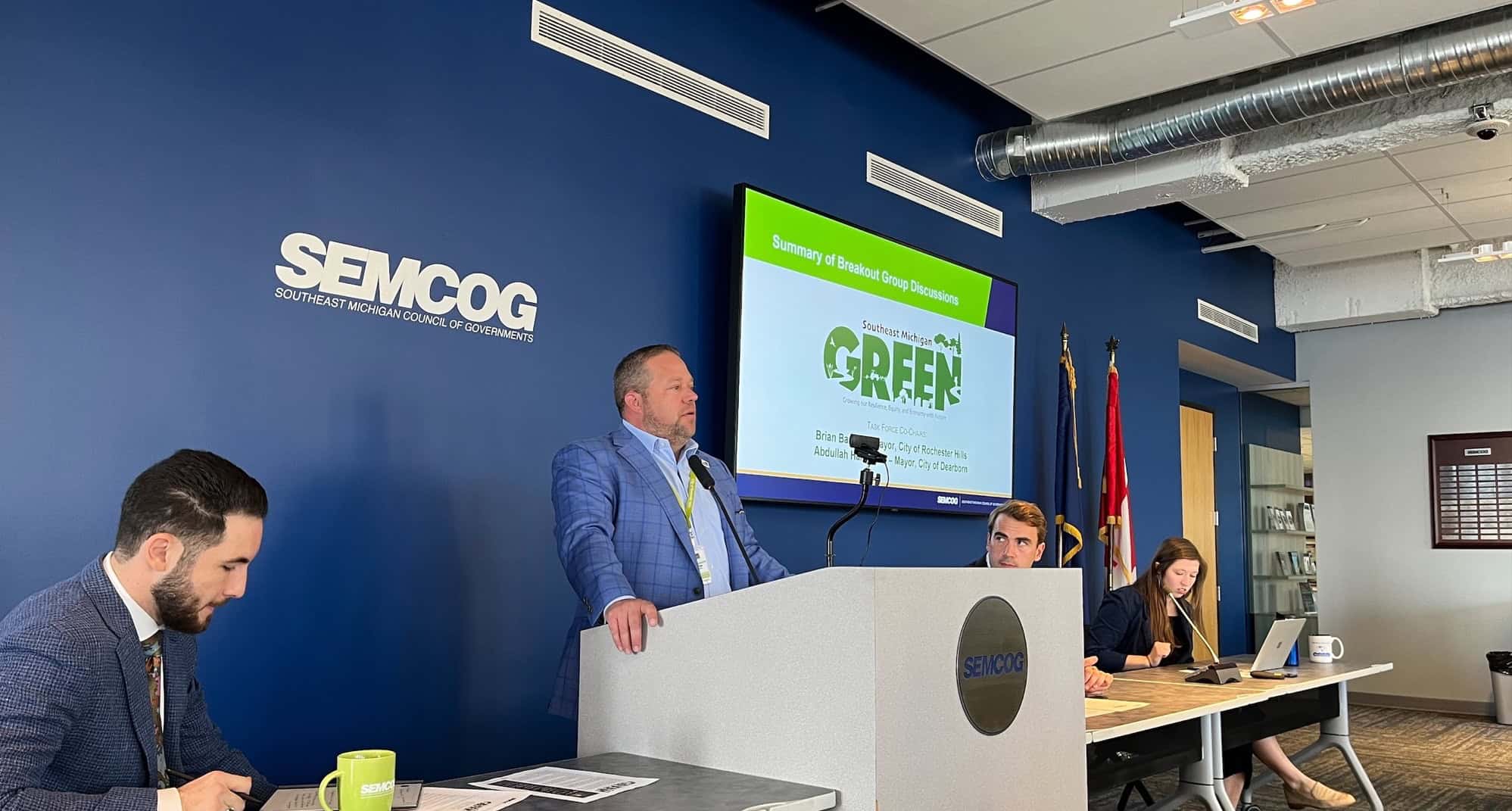
GREEN Task Force Meeting, co-chair Bryan Barnett (speaking), Mayor of Rochester Hills, and co-chair Abdullah Hammoud (left), Mayor of Dearborn
The webinar also included an overview of SEMCOG’s GREEN Initiative. The initiative was supported by its task force, which was charged with increasing the quantity, quality, and connectivity of our green infrastructure network, which in turn, enhances environmental resilience through a suite of ecosystem services such as mitigating stormwater runoff and reducing pollutant loading into local waterways. While there are around 50 individuals appointed to this Task Force, the meetings expanded SEMCOG’s reach to more than 120 individuals, representing a wide variety of communities, organizations, and perspectives. At the regional level, this network includes green stormwater infrastructure, natural features that support resilience while ensuring that the public benefits of this network are equitable and resilient. Events that are set to amplify this conversation include a SEMCOG Member Meet Up at Innovation Hills in Rochester Hills, as well as Task Force recommendations to SEMCOG Executive Committee on July 27.
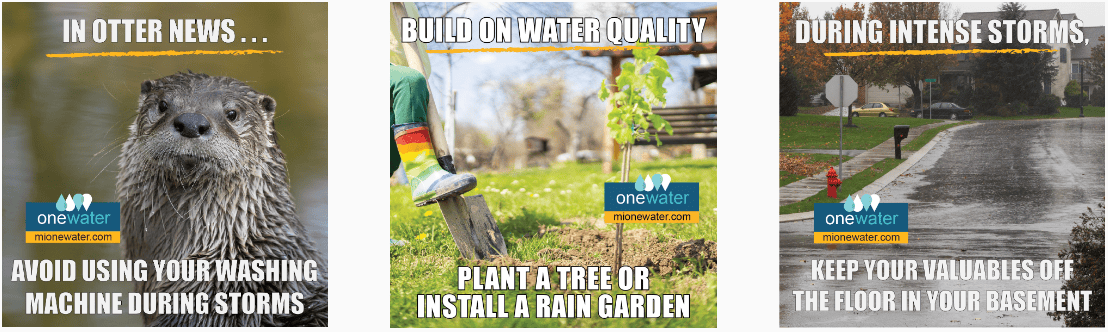
Building a resilient water system starts with education, and that’s what the One Water Campaign seeks to do. Since its beginning, the One Water concept emphasizes a holistic understanding and shared responsibility for our water bodies and water infrastructure systems. With the support of Southeast Michigan’s One Water partners, (SEMCOG, its member communities, the Great Lakes Water Authority, local watershed groups, and more) it was another successful year of sharing resources to support water quality throughout GLFWW. The One Water campaign media content garnered an estimated 3 million impressions across all social media platforms and an additional estimated 9 million impressions on TV, radio, and streaming services. As we reflect on stewardship of our water resources, it’s important for us to remember the people who go to work each day to keep our water flowing, while preparing future generations to become virtuous stewards of our water resources. There is only One Water, and it’s ours to protect.
Leave a Reply