
A version of this article was originally featured in SEMCOG’s Putting Safety First. It illuminates regional data that underscores the gravity of fatal and serious crashes in Southeast Michigan. As we reflect on the many lives impacted by preventable tragedies, it becomes evident that concerted action is imperative. SEMCOG’s Southeast Michigan Transportation Safety Plan identifies key safety needs and guides investment decisions to eliminate fatalities and serious injuries for all road users.

The Southeast Michigan Transportation Safety Plan is organized around the same five elements of the Safe Systems Approach. Each of these – Safer People, Safer Roads, Safer Vehicles, Safer Speeds, and Post-Crash Care – is supported by actions to improve safety. The Safe System Approach refocuses transportation system design and operation on anticipating human mistakes and lessening impact forces to reduce crash severity and save lives. In the following section, numerous actions are listed that can be led at the local level.
Policy: Safer People
Encourage safe, responsible behavior by people who use our roads and create conditions that prioritize their ability to reach their destination unharmed.
Regional Actions:
- Support legislation efforts to increase safe behaviors such as seatbelt and motorcycle helmet use
- Educate the public on new vehicle technologies (e.g., adaptive cruise control)
- Promote senior-friendly options
- Promote motorcycle endorsement and reduce “shadow riders”
- Implement school-based strategies (e.g., Strive for a Safer Drive)
- Target education and enforcement in priority locations
- Promote trainings for law enforcement
- Identify funding for equitable education, encouragement, and targeted enforcement activities
Policy: Safer Roads
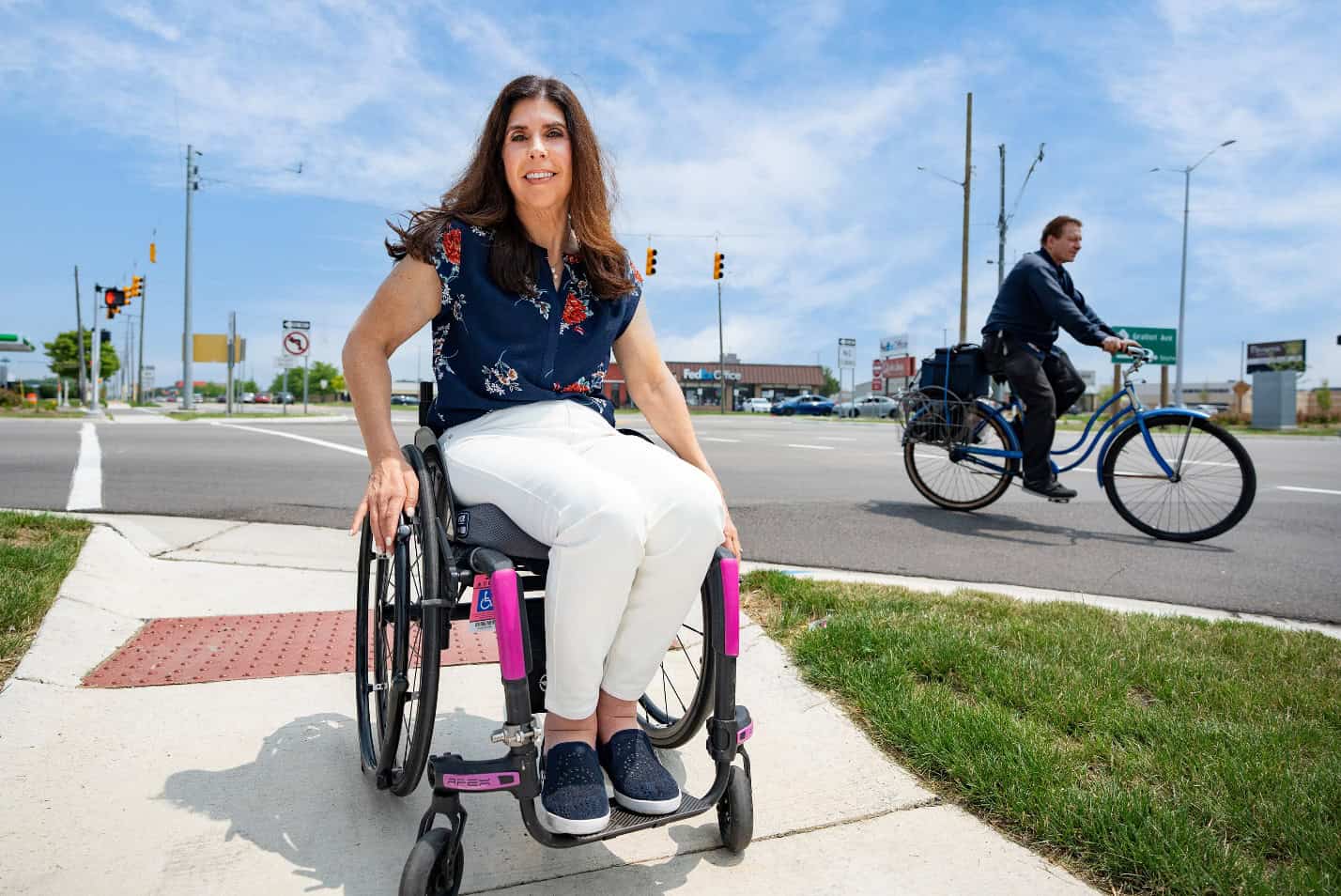
Design roadway environments to mitigate human mistakes and account for injury tolerances, to encourage safer behaviors, and to facilitate safe travel by the most vulnerable users.
Regional Actions:
- Build complete streets and networks for all travel modes
- Maintain nonmotorized facilities
- Prioritize safety in ALL transportation projects
- Utilize safety and engineering improvements in priority locations
- Evaluate and use technologies such as Advanced Transportation and Congestion Management Technologies Deployment (ATCMTD)
- Coordinate across sectors to improve corridor access management
- Conduct road safety audits at high-risk locations
- Use the Highway Safety Manual to evaluate safety impacts
Policy: Safer Vehicles
Expand the availability of vehicle systems and features that help to prevent crashes and minimize the impact of crashes on both occupants and nonoccupants.
Regional Actions:
- Support the use of advanced technologies (lane-keeping assist, intelligent speed adaptation, electronic braking systems, etc.)
- Develop standards for the use of new technology
Policy: Safer Speeds
Promote safer speeds in all roadway environments through a combination of thoughtful, context-appropriate roadway design, targeted education and outreach campaigns, and enforcement.
Regional Actions:
- Implement traffic calming engineering countermeasures
- Implement road diets on segments with excess capacity
- Set Context-appropriate speed limits
- Ensure drivers adhere to posted speed limits
- Continued coordination with other agencies on speed reduction strategies

Policy: Post-Crash Care
Enhance the survivability of crashes through expedient access to emergency medical care, while creating a safe working environment for vital first responders and preventing secondary crashes through robust traffic incident management practices.
Regional Actions:
- Local emergency response with supporting technology
- Pilot engineering countermeasures to assist with traffic incident management (TIM)
- Further develop data solutions to enhance TIM
- First responder training for motorcycle crashes
- Promote MI-TIME training
- Continued use, promotion of high-visibility apparel for first responders
- Collect data on bicycle and pedestrian volumes
- Collect and maintain traffic volume data for non-federal-aid roads
- Coordinate industry data and information sharing
- Evaluate the effectiveness of safety measures
- Work with the State of Michigan to ensure UD-10 crash form usage and enhancement
Intersection Safety
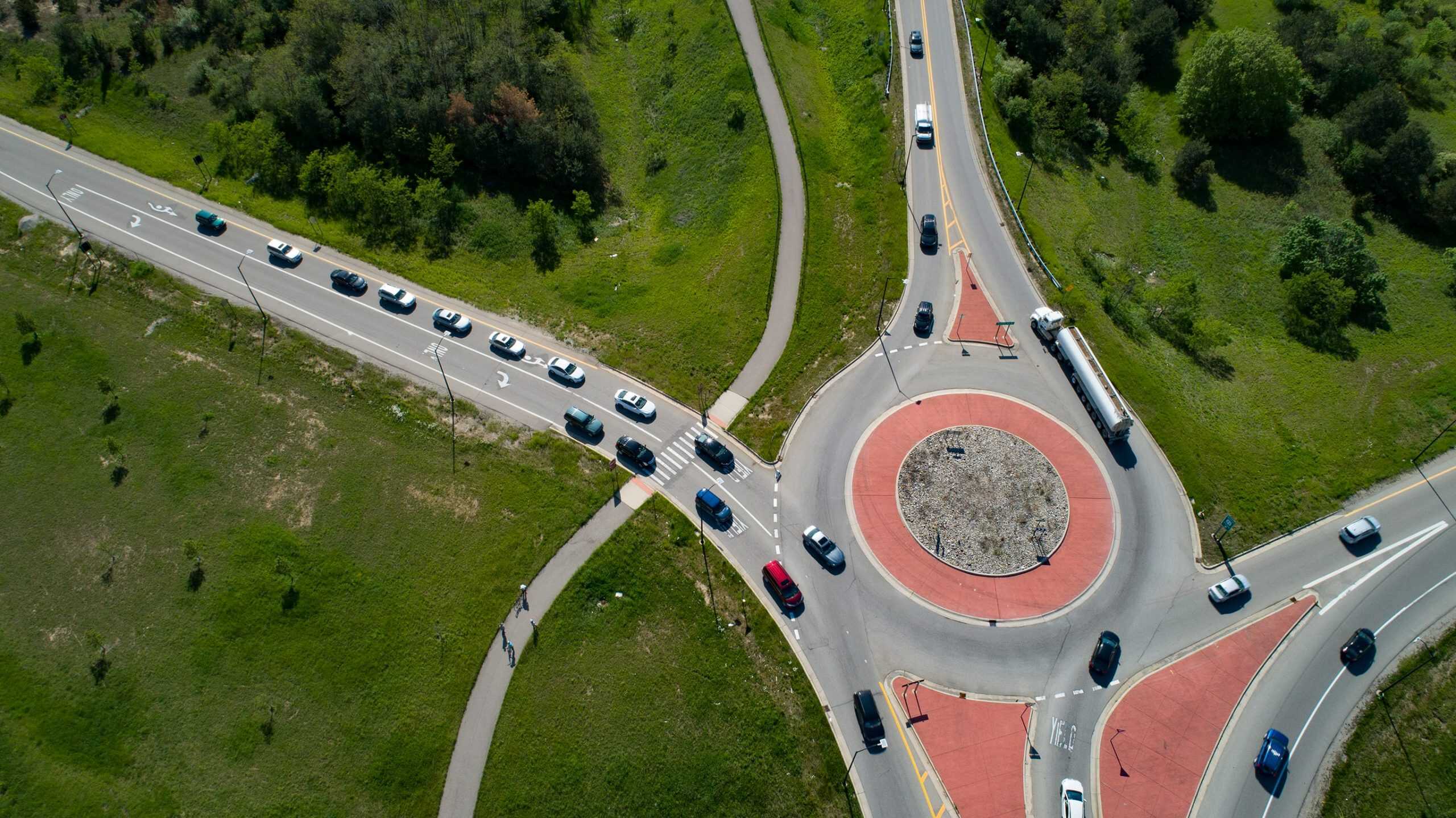
Intersections are a factor in many fatal and serious injury crashes. Actions to make intersections safer – which can be studied in greater depth in the region’s Safety Plan – include:
- Up-to-date inventory of intersections with key data
- Prioritize high-risk locations with disproportionately high rates of serious injuries and/or fatalities
- Conduct road safety audits at high-risk intersections
- Implement safety engineering countermeasures, such as improved visibility; advanced warning flashers; pedestrian refuge islands, and roundabouts
Leave a Reply