
In the steadily evolving digital public relations scene, Social Media Optimization (SMO) has risen as a fundamental player in boosting online visibility, engagement, and brand recognition. Tapping into the potential of social media platforms and effective SMO strategies to harness them has become essential.
Below are some steps to help navigate the complexities of SMO, delving into its significance, best practices, and the substantial impact it brings to your online presence.
The Essence of Social Media Optimization
SMO is not just about having a presence on social media; it’s about optimizing that presence to connect with your target audience(s) in a meaningful way. Simply, SMO is the strategic creation, curation, and sharing of content across distinct social media channels to increase audience engagement and amplify your ability to connect with community members.
1. Profile:
Your social media profiles are often the first impression for potential audience/community members. Optimize your profiles by using high-quality visuals, a compelling bio, and accurate contact information. Consistency across platforms builds trust and reinforces brand identity.
2. Content:
Crafting valuable and shareable content is the heartbeat of SMO. Understand your audience and tailor your content to resonate with their interests. Utilize a mix of text, images, videos, and infographics to keep your content diverse and engaging.
3. Hashtags:
Research and use relevant hashtags to expand your content’s reach. Hashtags can help with brand recognition, consider adding your own hashtags when you are looking to have your audience participate in a campaign, contest, or want to elevate promotion. However, exercise moderation, focusing on quality over quantity.
4. Timing:
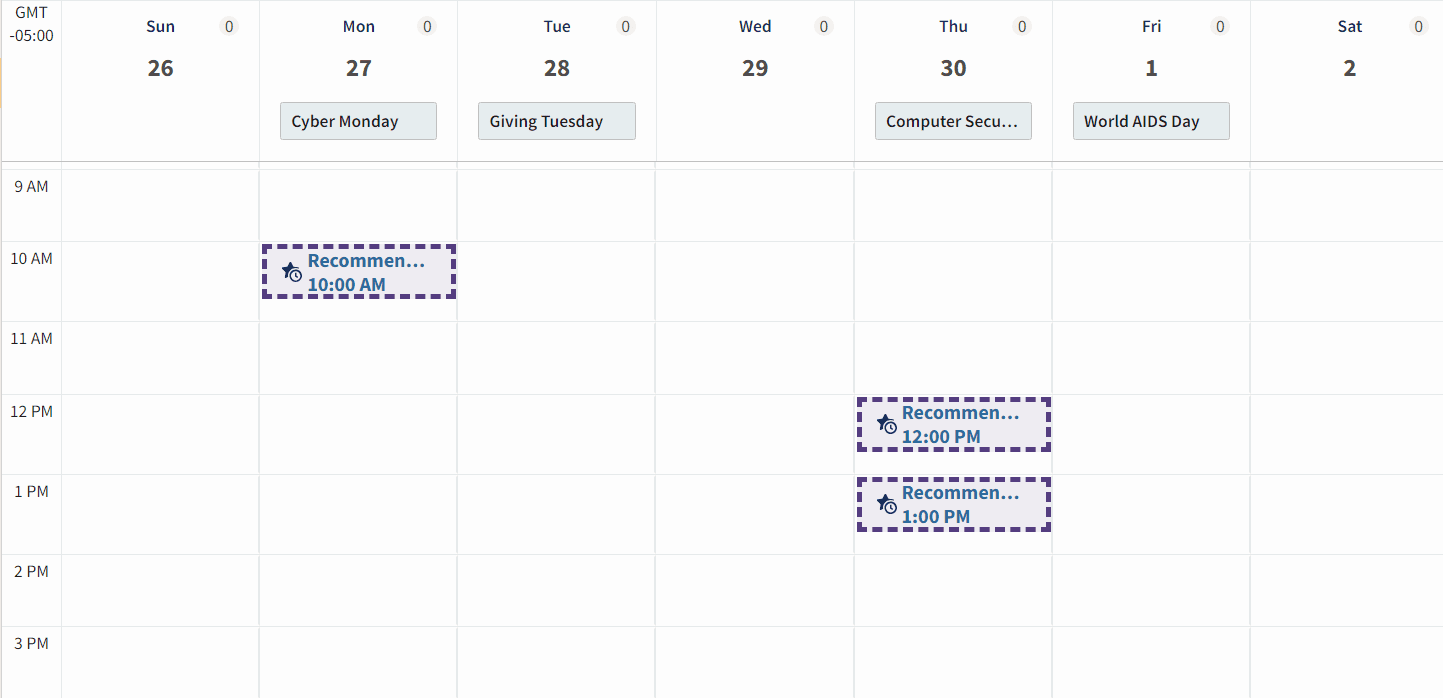
Posting at the right time can significantly impact your content’s visibility. If you are using a scheduling tool, such as Hootsuite, Social Sprout, Buffer, etc., these tools track when platforms have the highest volume of traffic. Using this knowledge to your advantage means more eyes on your posts. If you are not using a scheduling tool, simply taking note of when you and your peer’s social channels are frequently posting can lead to increased engagement. Experiment with posting times to find the optimal schedule for your target audience.
5. Engagement:
Looking for mutual engagement? You can engage by responding to comments, messages, and mentions. Foster a sense of community by initiating conversations, asking questions or asking for an action, and encouraging user-generated content. The more interactive your brand is, the stronger the connection with your audience.
Tools of the Trade
To streamline your SMO efforts, leverage a variety of tools:
1. Social Media Analytics:
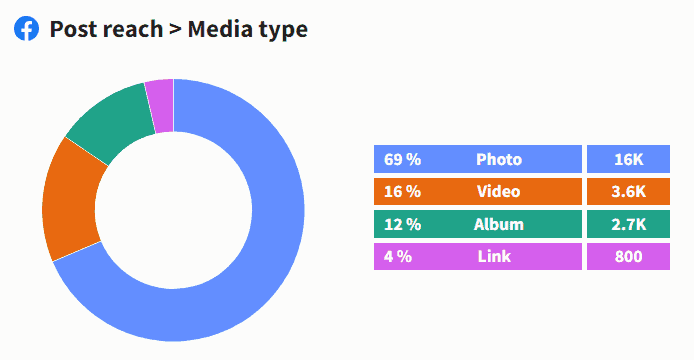
Platforms like Facebook Insights, Twitter Analytics, and Instagram Insights provide valuable data on user behavior. Use these insights to refine your strategy and understand what works best for your audience. You can also utilize scheduling tools on this front, Below is an example of an analytics graphic from Hootsuite that presents these insights in an engaging and easily shareable way.
2. Scheduling Tools:
I have already touched on the value of scheduling, and the benefits of scheduling tools include a consistent and timely presence across your social media channels. Another (sometimes unknown) benefit to a scheduling tool is access to webinars about the most engaging techniques for visual content and how to create graphics and videos that stand out. Selecting the best tool can look different for everyone. Meeting with a couple of representatives is a great way to gauge the relative power and potential effectiveness of these tools for meeting your needs.
3. Visual Content Creation:
Low-cost tools such as Canva and Adobe Spark empower you to create visually appealing graphics, infographics, and videos, even if you lack design skills or a graphic designer on your team.
Measuring Success and Adapting Strategies
Regularly assess the effectiveness of your SMO efforts through key performance indicators (KPIs) such as likes, shares, comments, and click-through rates. Use this data to refine your strategy, identify trends, and stay ahead of the ever-evolving social media landscape. As the definition of success varies for everyone, so does the approach to strategy. Meeting with key staff to determine social strategy is important to manage expectations.
The Future of Social Media Optimization
As technology continues to evolve, so does the world of social media. Embrace emerging trends, such as live video, augmented reality, and interactive content, to stay relevant and maintain a competitive edge.
SMO is not a one-size-fits-all endeavor. It requires a nuanced understanding of your audience, dedication to quality content, and a willingness to adapt to the ever-changing social media environment. By incorporating these strategies and staying attuned to industry trends, you can unlock the full potential of Social Media Optimization and propel your brand to new heights in the digital realm.
Leave a Reply