
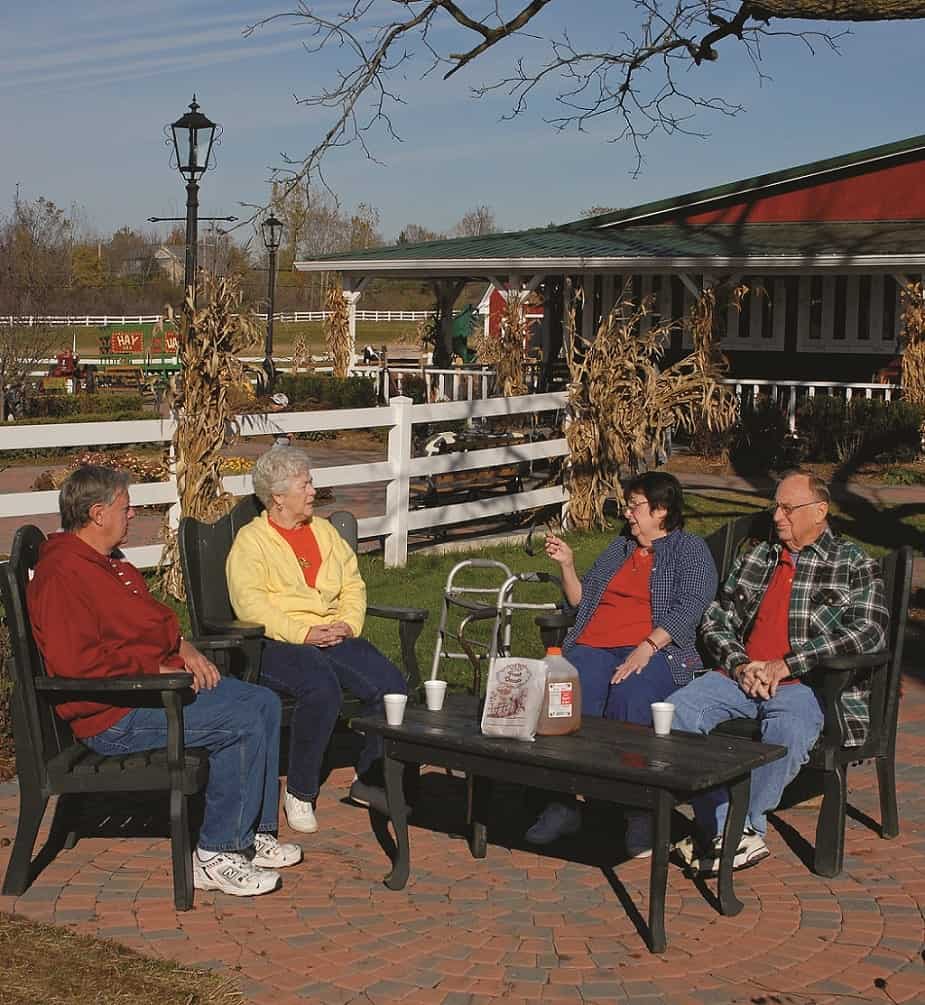
The shifting demographics on a global, national, and regional scale have heightened the prominence of aging as an emerging issue.
- By 2050, there will be more older adults globally than there are children.
- By 2034, there will be more older adults in the U.S. than there are children.
- By 2026, there will be more older adults in Southeast Michigan than children.
These are astounding statistics that require communities to prepare for change.
There are four types of individuals when it comes to aging:
- those who have been caregivers,
- those who are caregivers,
- those who will be caregivers, and
- those who will need a caregiver.
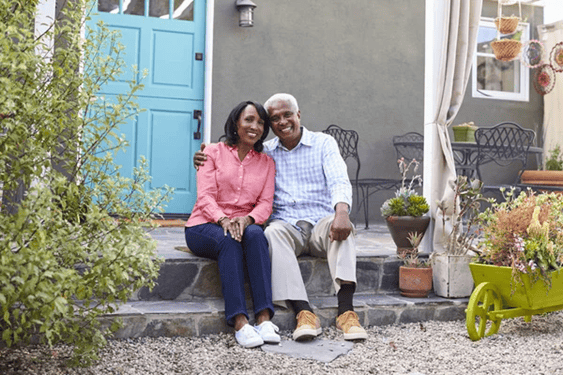
SEMCOG recently hosted a workshop on aging needs and resources available to communities to help address these needs. A key takeaway is that people would like to age in place if they had the resources and services to do so. In fact, statistics show that 90% of people above the age of 50 would rather remain in their homes and community as they age.
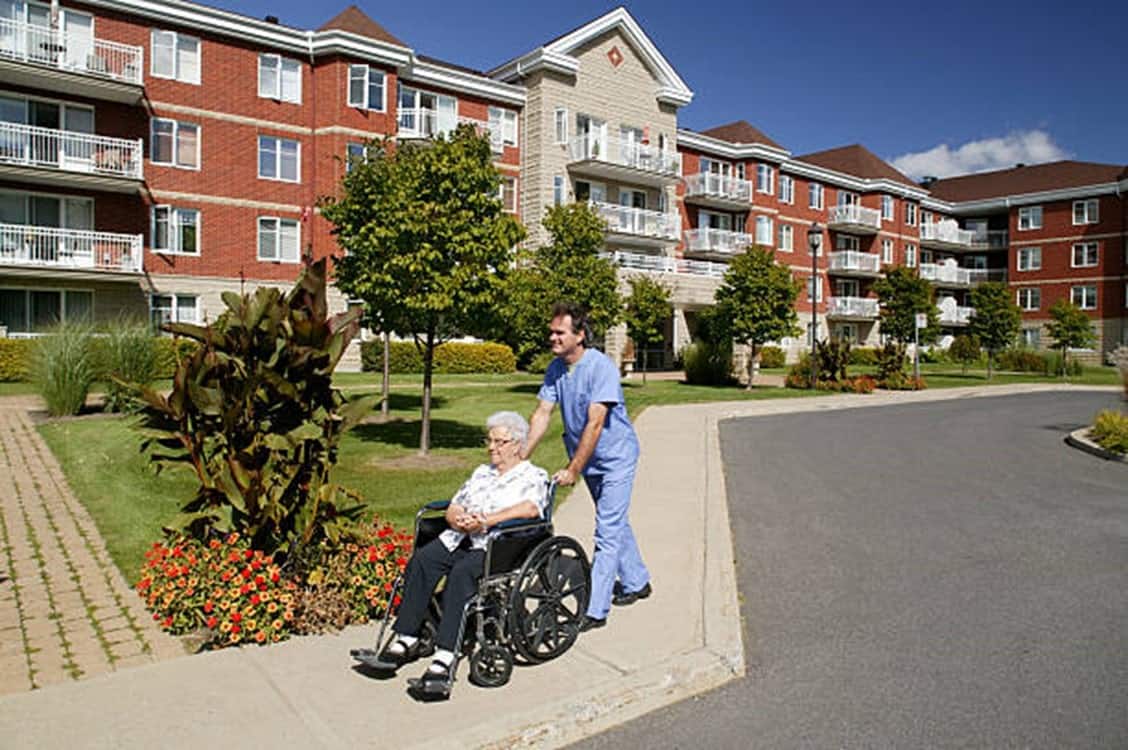
The cost of specialized senior housing is unaffordable for many, forcing some to remain in their homes indefinitely even when this may not be the best option. Local governments are helping to ease this shift by making communities more senior-friendly. This requires changes in infrastructure and additional services that might not already be in place. Tapping into federal and state funding to provide services is essential to ensure seniors can live a good life in their golden years, especially with life expectancy on the rise (a 6-year increase from 2000 to 2019 according to the World Health Organization).
One of the benefits of living in a senior community is that it promotes socialization, which is essential for good mental health. Isolation is one of the key factors to poor mental health in seniors. Spending 10 or more hours alone is classified as isolation and has negative effects on senior mental health. Senior living centers provide activities and community atmosphere that seniors can benefit from. They also provide a sense of connection, well-being, and security. These facilities are maintenance-free for residents, which is one of the main concerns with seniors aging is place. Home repairs can not only be costly, but they can also be dangerous for seniors as they age. Most seniors are on a fixed income and may not be able to afford to call a specialist to repair their homes leading to dilapidated situations that can lead to unlivable conditions.
There are approximately 1.3 million caregivers, which may be family members or a long-time family friend. These are people who have a deep vested interest in the person’s well-being. In some cases, people have quit their jobs to take on the full-time responsibilities of a caregiver. The issue is that 17% of caregivers are unpaid, resulting in a $6 billion industry that is expected to grow even further. Governor Whitmer recently proposed a $5,000 tax credit, the Caring for MI Family Tax Credit, is part of a growing trend of public subsidies for families shouldering the responsibilities of caring for family members.
From a personal perspective, I’m dealing with an aging parent who is trying to decide whether to age in place or move to a senior community. There is a lot to consider, especially when deciding how to start a new life as an older adult. When it comes to the house, there are many memories attached to the home and community. In my dad’s case, this is the home in which he spent his retired years building many fond memories with my mother. Leaving the home and all the memories it holds behind is a difficult proposition.
Many seniors have had to make the tough decision to leave behind a home they love, but for those who would like to remain in their homes, communities have a massive chance to maximize that opportunity.
Leave a Reply