
Water professionals play a vital role in public health – ensuring clean, safe, and reliable water is provided for communities. As the industry faces increasing retirements and workforce shortages, sector leaders are emphasizing the importance of attracting and preparing the next generation of water workers.
Water sector professionals enter the field from diverse backgrounds, but somehow all of them become aware of this often forgotten area of applied science and technology. Most, including Marysville Water Resource Director Bari Wrubel, have built their water careers through a combination of direct exposure, hands-on experience, and education. After starting as a summer worker at a wastewater plant, Wrubel pursued a degree in Water Purification Technology and built a lifelong career in water operations and management.
Wrubel emphasizes the value of mechanical aptitude, math skills, and problem-solving. He also stresses the importance of people skills and teamwork. “The plant is more than just a facility; it’s the people who make it successful,” Wrubel said.
He worries about the future of the field, however. “We’re not training young people with mechanical and real-world skills anymore; too much focus is placed on grades and test scores. We need people who are hands-on, socially adept, and willing to learn,” said Wrubel.
Bari Wrubel’s advice to those considering this career?
- Always be willing to learn
- Be energetic, reliable, and socially aware
- Those are the traits that can’t be taught and if you bring them, you’ll go far
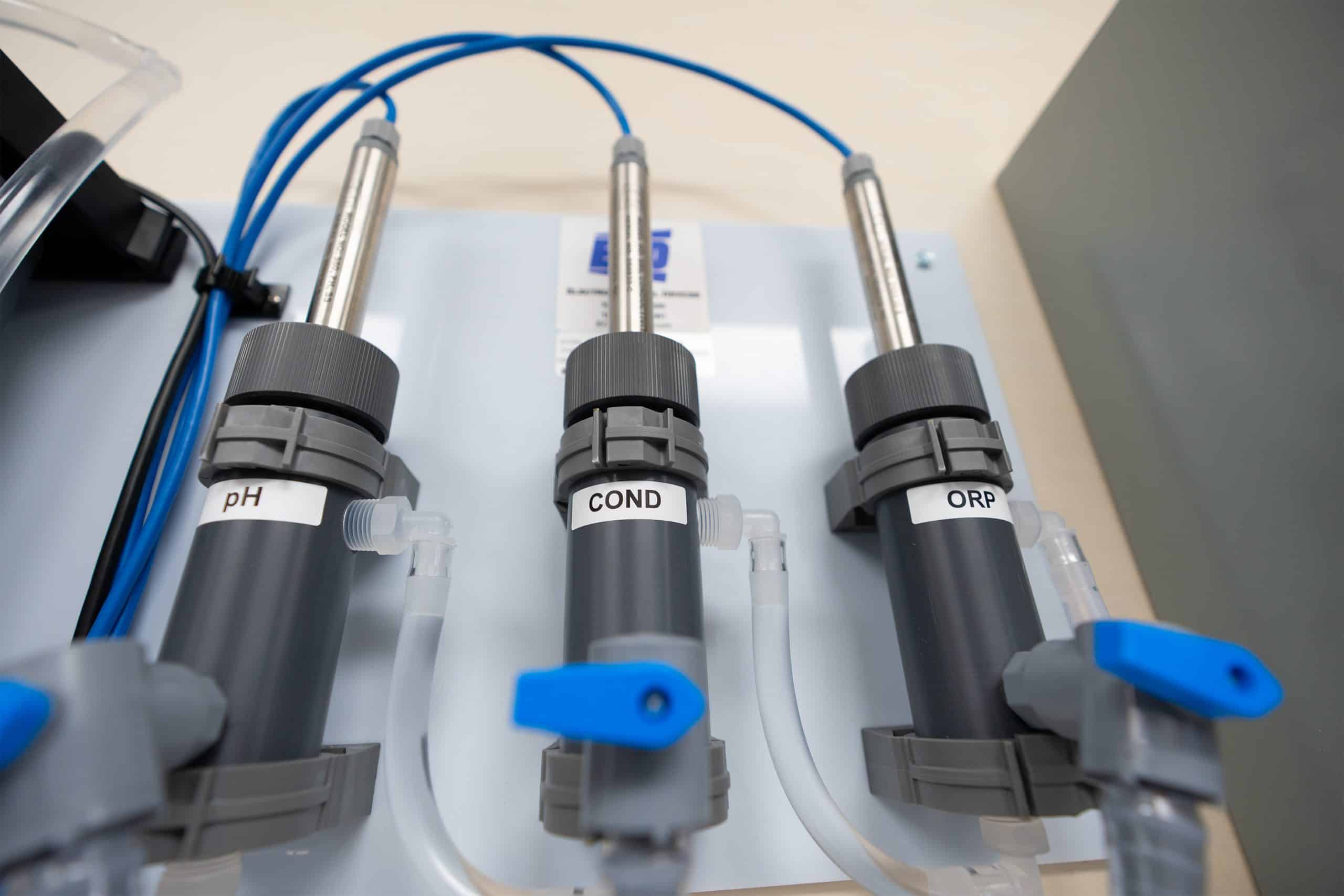
Water monitoring laboratory equipment sensors labeled pH, COND (conductivity), and ORP (oxidation-reduction potential)
Jim Nash, Oakland County Water Resources Commissioner, highlights the role of technology in reshaping how water systems are managed. Artificial intelligence and automation are helping utilities increase efficiency and improve infrastructure maintenance.
“AI now reviews closed-circuit TV footage of underground pipes, saving staff time and improving asset management,” Nash said.
He also stresses that water sector jobs span a range of professions, including operators, tradespeople, engineers, chemists, and administrative staff. Many positions offer strong pay, benefits, and long-term career stability with opportunities for on-the-job training, certifications, and advancement. While technology enhances efficiency, the need for skilled and knowledgeable people remains. “We’re seeing workforce shortages everywhere,” Jim Nash says. “We need pipefitters, plumbers, equipment operators, engineers, chemists, construction workers all good-paying jobs that support families for entire careers.”
Starting Early
Apprenticeships and internships are key to building this pipeline. “We have summer programs for high school and college students, and even job shadow days where people of all ages can spend a day with our crews. We’ve actually hired folks from those programs,” Nash said.
Both Wrubel and Nash stress the importance of apprenticeships, internships, and partnerships with schools to prepare new workers. Oakland County offers internship and job shadow programs that allow participants to experience real-world water operations and connect with industry mentors.
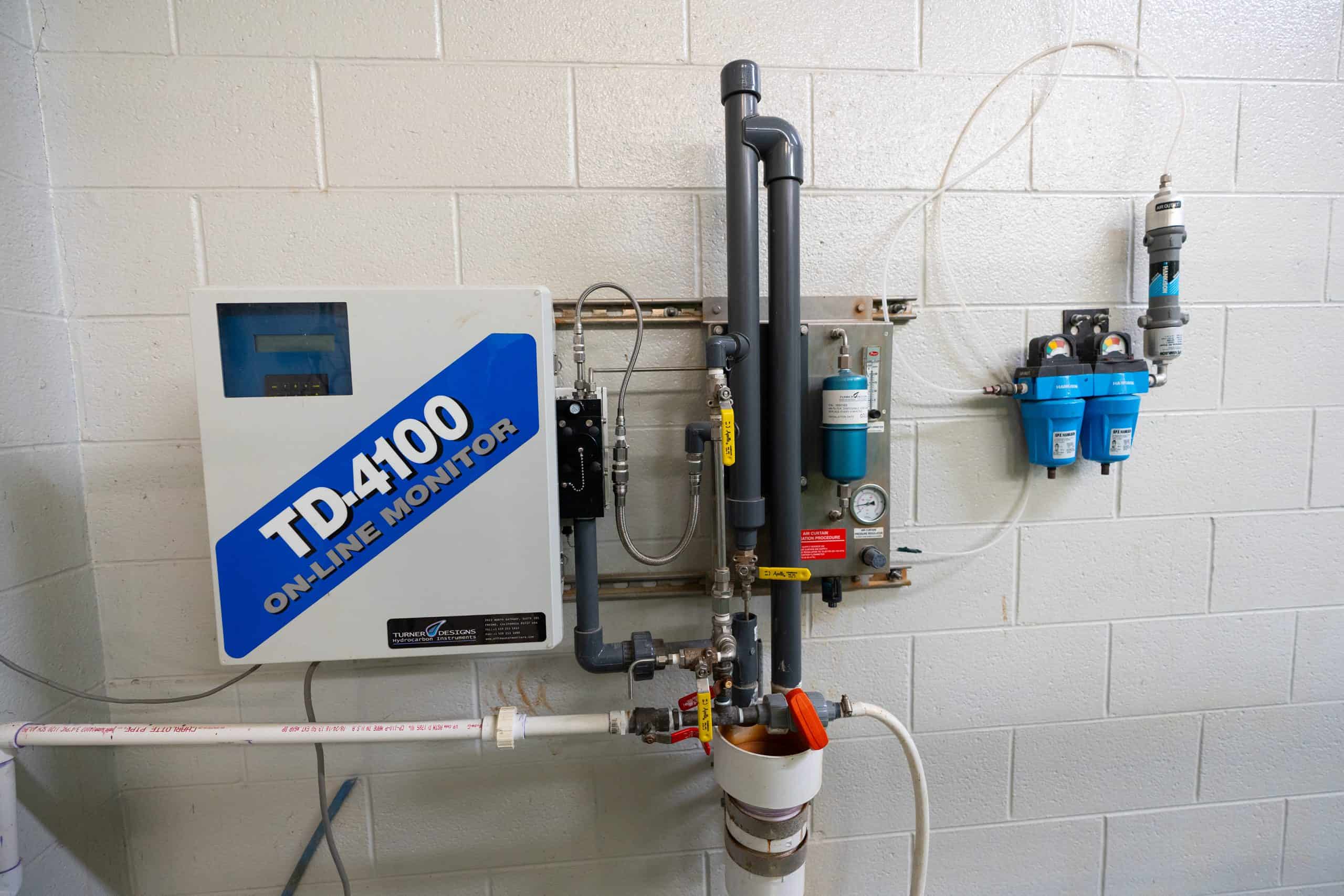
TD-4100 on-line monitor
Marysville Water Operator Annie Ponnessa, who started from a secretarial background and no technical experience, highlights the value of persistence and continuous learning. “Don’t be afraid to start from the bottom,” she advises. “Each task teaches you something new. Take your exams, earn your licenses, and never stop learning,” Ponnessa said.
“I started at the bottom, asked questions constantly, and tried to learn everything I could,” she recalls.
Now Ponnessa operates a municipal water plant on a rotating schedule, sometimes managing the system entirely on her own. “Every day I monitor chlorine residuals, turbidity, pH, hardness, fluoride—you name it,” she says. “Problem-solving is the number one skill I use. You have to stay calm and think through every situation.”
Ponnessa also emphasizes the need for greater awareness of water careers. “Before joining, I didn’t know this field existed,” she says. “It’s a rewarding career with job security and opportunities for growth.”
However, Ponnessa is facing a far-reaching challenge: staffing. “All water plants are short-staffed,” Annie says. “There needs to be an apprenticeship program that combines classroom learning with on-the-job training. Hiring someone with no experience takes months of effort before they can operate alone,” she said.
The stories of Bari Wrubel, Jim Nash, and Annie Ponnessa highlight a common theme: a field filled with under-tapped (no pun intended) opportunity, and water treatment facilities in urgent need of new talent. As the region’s communities face retirements and rising demand for skilled workers, water careers are hands-on, meaningful, and essential to public health. Through apprenticeships, internships, and partnerships with local schools, the next generation of water professionals is being activated.
In the end, clean water isn’t just a service. It’s a shared responsibility and, for those ready to learn, lead, and serve, it’s a career that brings rewards for a lifetime.
Leave a Reply