
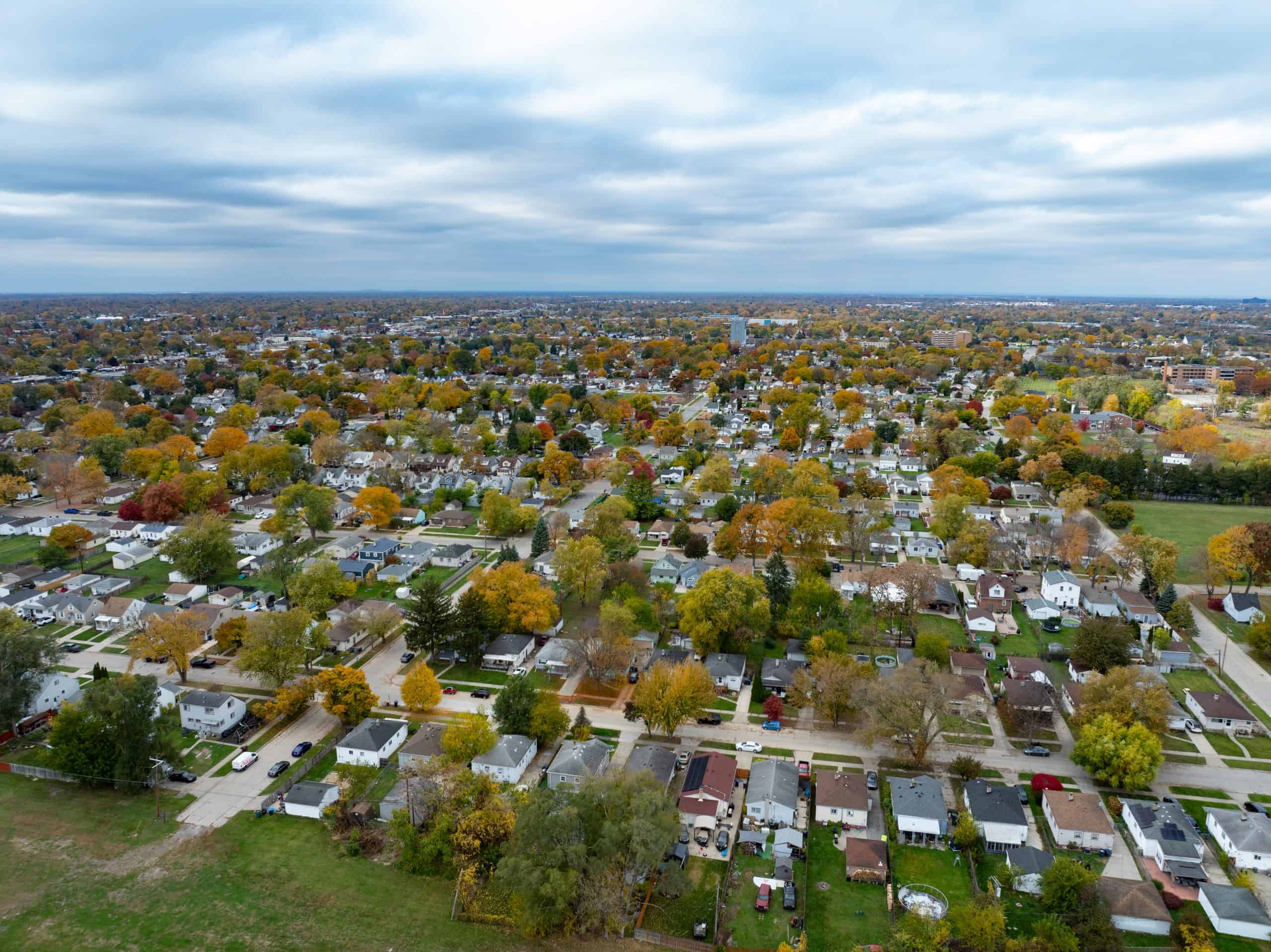
In response to our members’ growing interest and concern with housing in Southeast Michigan, SEMCOG has worked with partners across all levels of the housing ecosystem to find resources, case studies, guidance, and best practices for communities, developers, and housing organizations alike. From June through August of 2026, SEMCOG held three events addressing various elements of the current housing landscape.
Part 1: How Local Communities are Addressing Housing Supply and Affordability June 16, 2026
The in-person workshop served as a showcase of the tools and existing success stories across the region, as well as a forum for professionals and officials to share their own experiences and concerns.
- SEMCOG introduced the issue and purpose of the Housing Series, along with updates regarding the Housing Readiness Bills (H.B. 5529-5532 and 5581-5585). SEMCOG Data Analysis staff also provided different statistics on housing construction, availability, vacancy, and affordability to help stakeholders understand the baseline for regional housing demand.
- The Michigan Municipal League (MML) presented the various tools they have developed, as well as partnerships with MSHDA to address challenges in zoning reform, permitting, pattern book development, financial tools, and educational resources.
- Speakers from Pittsfield Charter Township and the Cities of Dearborn, Dexter, and Sterling Heights shared case studies of how they have each tackled housing affordability and accessibility in their communities. Some of the solutions they have developed across public and private partnerships to achieve this include Payment-in-Lieu-of-Taxes (PILOT) incentives, comprehensive public engagement in the master plan and zoning ordinance update process, reducing barriers in the development planning and permitting pipelines, and reforming zoning language for housing options such as duplexes, accessory dwelling units, and multi-unit housing to expand the number and variety of housing types to meet the needs of all current and prospective residents.
Part 2: State and Federal Financing Tools to Support Housing Needs July 16, 2026

This webinar explored different funding programs and technical assistance resources to close financing gaps to make affordable and attainable housing development possible.
Webinar Recording Part 2 Presentations Slides- The U.S. Department of Housing and Urban Development discussed the revised Opportunity Zones program. This program has officially become part of the U.S. Tax Code under Opportunity Zones 2.0 (OZ 2.0). The first iteration, OZ 1.0, was launched under the 2017 Tax Cuts and Jobs Act, which designated 8,764 census tracts nationwide to incentivize capital investments in low-income communities, including residential units alongside commercial, industrial, agricultural, and healthcare-related real estate developments. OZ 2.0 will be in effect from January 1, 2027, through the end of 2036. More information on Opportunity Zones in Michigan may be found on MSHDA’s website.
- The Michigan State Housing Development Authority (MSHDA) discussed different state programs to address housing availability and affordability, including the MI Neighborhood Program, Housing Tax Increment Financing (TIF), Homeownership Education and Assistance Programs, Michigan Housing Opportunity Tax Credit, and partnership with Great Lakes Housing Services. MSHDA also provided updates on Statewide Housing Plan 2.0 and the Michigan Housing Data Portal.
- Detroit LISC provided an overview of their role as a Community Development Financial Institution (CDFI) for Southeast Michigan, and introduced the newest version of the Detroit Housing for the Future Fund (DHFF 2.0). The program will provide $45 million from 2026 to 2031 to fund different housing and community development projects across the area.
- The City of Harper Woods and Renovare Development presented on the Fraser Square housing development, which celebrated its grand opening on August 1, 2026. Once fully built, the development will provide 71 duplexes and townhomes for purchase to households making 60 – 120% of the Area Median Income (AMI) for Wayne County. The development was made possible through partnerships with Renovare Development and Robertson Brothers Homes, as well as various public and private funding sources to close financing gaps.
Part 3: Housing for Everyone August 20, 2026

This webinar addressed the realities of and opportunities for the housing ecosystem to address all residents’ needs. Those needs not only apply to housing access, but also supportive services, homelessness reduction and prevention, access to education and jobs, and the proper physical and mental health infrastructure to maximize quality of life.
Webinar Recording Part 3 Presentation Slides- SEMCOG provided information on the recently adopted 21st Century ROAD to Housing Act and introduced the issue on “Housing for Everyone,” including addressing housing stability and reducing homelessness.
- Cinnaire provided an overview of CDFIs and the services they provide for affordable housing and economic development. Cinnaire also shared case studies on different housing developments across the state that were funded through the Michigan CDFI Fund, which helps developers and businesses find CDFIs near and aligned with them to secure funding and loans.
- The Macomb County Department of Health and Community Services discussed the role housing plays in supporting aging in place, as well as the programs to reduce and prevent homelessness and support older adults. Macomb County’s approach to these challenges addresses its broad range of community types and needs, from dense urban cores to rural townships and villages, and how the County departments their partnerships work together to provide coordinated access to housing and support for older adults.
- MiSide presented a case study on the Wellspring Apartments development in Southfield, and how partnerships and coordination across public, private, and individual champions in the community made the development a success to provide residents with the proper support and resources to secure stable, permanent housing.
- Oakland County Neighborhood and Housing Development (NHD) provided an overview of the Department’s background, and how leveraging ARPA dollars and annual appropriations through the County has supported more than two dozen housing developments and 1,603 units, of which 1,474 are affordable for families earning 30-120% AMI. Through investing $45.8 million of various state and federal funding sources, NHD has fueled over $424 million into mixed-income housing countywide.
If you have any questions about SEMCOG’s work with housing development and access or would like to know more about how SEMCOG engages in these spaces, please contact Noah Bussell, AICP, Planner II, Economic and Community Vitality.
Contact Noah Bussell
Leave a Reply